Asphalt Uncovered: The Black Gold That Builds Our World
- anna743453
- Jul 1, 2025
- 4 min read

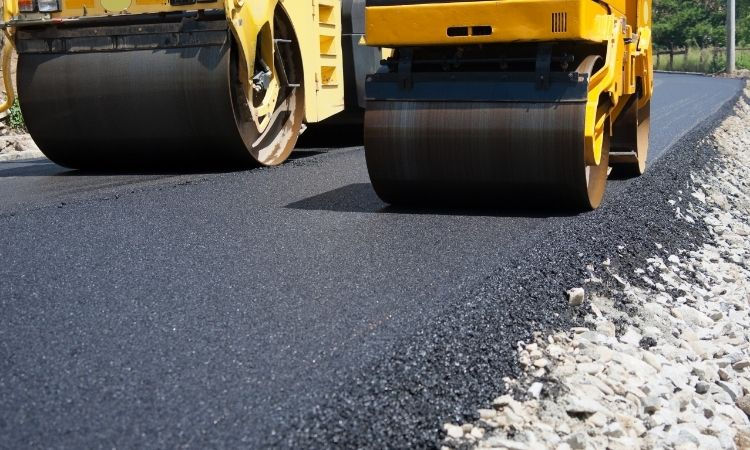
When we think of asphalt, most of us picture highways stretching into the horizon or the familiar blacktop of city streets. But asphalt is far more than a road surface — it’s a vital material that powers transportation, connects communities, and withstands the relentless test of time and weather. With its flexibility, durability, and adaptability, asphalt is the unsung hero beneath our feet, quietly supporting the movement of modern civilization.
Asphalt is everywhere — on motorways, airport runways, parking lots, bike paths, and even in roofing systems. What makes it truly remarkable is its ability to balance strength with resilience, enduring decades of wear and tear while offering a smooth, safe surface for travel. It’s not flashy, but it’s foundational.
Expert Insight from Expert Market Research
According to Expert Market Research, asphalt’s dominance in global infrastructure is not merely due to tradition but due to ongoing innovation and performance reliability. Their insights highlight how advancements in polymer-modified asphalts, warm-mix technologies, and eco-friendly binders are redefining modern paving standards. The durability, cost-efficiency, and sustainability of asphalt continue to make it a material of choice in evolving urban environments. Expert Market Research points out that as infrastructure development accelerates worldwide, asphalt’s adaptability and environmental compatibility will remain pivotal in shaping the roads and pathways of tomorrow.
Understanding Asphalt: Nature, Science, and Engineering
Asphalt is a naturally occurring, petroleum-based material made up of bitumen and mineral aggregates. It’s a sticky, black, and highly viscous liquid or semi-solid form of petroleum. When combined with crushed stone, gravel, or sand, it becomes asphalt concrete — a substance used to pave roads and highways all over the world.
The magic of asphalt lies in its composition and behavior. It’s a thermoplastic material, meaning it softens when heated and hardens when cooled. This property allows it to be molded and applied efficiently during construction while remaining strong and durable once in place. Its flexibility allows it to expand and contract with temperature changes, reducing the risk of cracking and potholes.
Engineers can fine-tune asphalt mixes to suit different climates, traffic levels, and environmental needs. Whether it’s a high-traffic interstate or a quiet residential lane, asphalt can be customized to meet performance expectations — making it one of the most versatile construction materials in existence.
Sustainability on the Surface: The Recyclable Power of Asphalt
As sustainability becomes a central theme in global construction, asphalt stands out as a material that aligns well with green building goals. Asphalt is 100% recyclable — in fact, it’s the most recycled material in the world by tonnage. Old asphalt pavements can be milled and reused in new road projects, significantly reducing the demand for raw materials and the environmental impact of production.
The concept of "perpetual pavements" is gaining traction, where well-designed asphalt roads can last indefinitely with minimal surface maintenance. This approach not only saves time and money but also drastically reduces waste. The ability to recycle asphalt repeatedly without losing quality makes it a champion of the circular economy in infrastructure.
Asphalt in Action: Everyday Marvels We Often Overlook
One of the most fascinating aspects of asphalt is its ability to stay out of the spotlight while playing such a central role. Think about your morning commute — the roads that carry you to work, school, or your favorite café are likely paved with asphalt. Airport runways, where aircraft weighing hundreds of tons land and take off every day, rely on asphalt for its strength and smoothness. Its shock-absorbing properties make it ideal for race tracks, sports courts, and even children’s playgrounds.
Asphalt's application goes beyond just paving. It is used in roofing shingles, waterproofing solutions, and industrial sealing. Its water-resistant and insulating properties help protect homes and buildings from the elements, contributing to structural longevity and energy efficiency.
Asphalt Around the World: Adapting to Regional Needs
Different regions use asphalt in unique ways, adapting the material to meet climate conditions and infrastructure demands. In colder areas like Scandinavia or Canada, asphalt mixtures are engineered to resist freeze-thaw cycles, while in desert regions, heat-resistant variants prevent rutting and deformation. In urban areas of Asia, especially in rapidly growing cities, asphalt is central to efficient and resilient transportation networks.
In Europe, there’s a growing movement toward quiet asphalt technologies that reduce tire noise, contributing to more livable urban spaces. Meanwhile, developing regions are focusing on cost-effective asphalt solutions that can deliver long-term road quality with minimal maintenance, helping to bridge the infrastructure gap.
Paving the Future: Innovation in Asphalt Technology
The future of asphalt is one of innovation. Scientists and engineers are exploring smart asphalt technologies that can self-heal small cracks, absorb solar energy, or even wirelessly charge electric vehicles. These futuristic applications are no longer science fiction — they are being tested and piloted in cities across the globe.
Warm-mix asphalt, which can be produced and applied at lower temperatures, is reducing greenhouse gas emissions during construction. Bio-based binders made from renewable resources are replacing traditional petroleum-based ones in some formulations, pushing the industry toward more sustainable practices.


Comments