The Magic of Toys: Sparking Joy and Learning Through Play
- anna743453
- Jun 3, 2025
- 3 min read

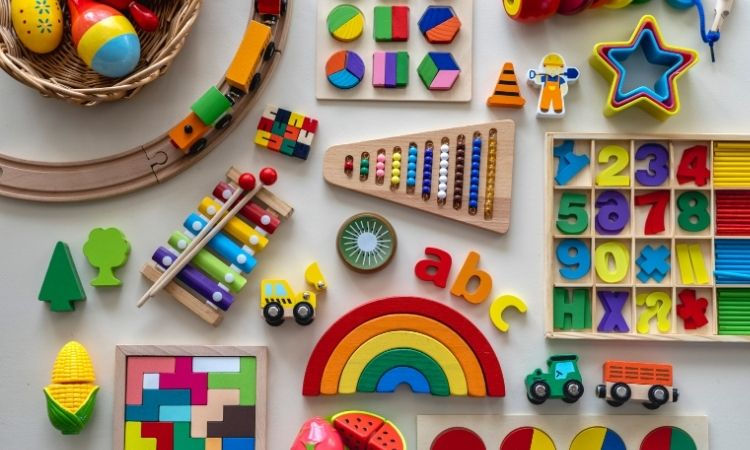
Toys are not merely objects of amusement; they are powerful tools that shape childhood experiences, spark creativity, and foster essential skills. From the simplest wooden blocks to intricate electronic gadgets, toys hold an undeniable charm that transcends generations. In a world increasingly driven by digital interactions, the significance of toys in a child’s development and even adult well-being cannot be overstated.
Expert Insights: The Evolving Landscape of Toy Innovation
Expert market research highlights that the toy industry is continuously evolving to meet the diverse developmental needs of children. Today’s toys blend education with entertainment, creating “edutainment” products that engage children while fostering essential life skills. Research shows that parents and educators increasingly seek toys that promote STEM learning (Science, Technology, Engineering, and Mathematics), social-emotional development, and sustainability.
Innovations in toy design are also focusing on inclusivity, ensuring toys represent diverse cultures, abilities, and experiences. This shift not only broadens children’s understanding of the world but also fosters acceptance and empathy from an early age. With the rise of eco-conscious consumerism, biodegradable materials and non-toxic components are becoming standard, aligning the joy of play with environmental responsibility.
The Timeless Joy of Play
Play is a universal language. When children engage with toys, they are not just entertained—they are exploring the world, understanding relationships, and expressing emotions. Toys provide a safe and imaginative environment where children can experiment, solve problems, and develop critical thinking skills. The tactile sensation of touching, building, or manipulating toys stimulates sensory development and hand-eye coordination.
Playtime is often when creativity blossoms. Whether it’s building a castle from blocks or imagining space adventures with action figures, toys invite children to think beyond the ordinary. This open-ended play nurtures imagination, helping children envision possibilities and dream big.
How Toys Shape Cognitive and Emotional Growth
The cognitive benefits of toys are profound. Puzzles enhance spatial reasoning, board games teach strategy and patience, and art supplies boost creativity and fine motor skills. Children learn cause and effect, sequencing, and memory retention through interactive play.
Emotionally, toys offer comfort and companionship. For many, a beloved stuffed animal or doll becomes a confidant, helping children process feelings and develop empathy. Role-playing with toys allows children to rehearse real-life situations, understand social dynamics, and build communication skills. These emotional competencies are crucial for healthy relationships throughout life.
The Role of Toys in Adult Life: More Than Just Child’s Play
While toys are quintessential to childhood, they hold value well into adulthood. Collectible toys and nostalgic memorabilia provide adults with a tangible link to their past, evoking fond memories and a sense of identity. Moreover, adult engagement with puzzles, board games, or creative kits has been shown to reduce stress, improve mental agility, and enhance social interaction.
Therapeutic use of toys and games is also gaining traction in mental health fields. Play therapy helps children and adults alike to express feelings, overcome trauma, and build coping mechanisms. Thus, toys transcend their traditional role, becoming tools for lifelong learning and healing.
Choosing the Right Toys: What Matters Most?
Selecting toys is about more than just popularity or appearance. The best toys challenge a child’s mind without causing frustration, encourage exploration, and grow with the child’s abilities. Open-ended toys—those that can be used in multiple ways—offer more developmental benefits than toys with fixed outcomes. For example, a set of building blocks can evolve from simple stacking to complex architectural marvels as the child’s skills expand.
Quality and safety are paramount. Toys should be durable, free from harmful chemicals, and appropriate for the child’s age and developmental stage. Encouraging children to play with diverse types of toys—from physical and tactile to cognitive and creative—creates a balanced foundation for growth.
The Future of Play: Blending Technology and Tradition
The intersection of technology and traditional play presents exciting possibilities. Augmented reality (AR) toys bring stories and learning to life, creating immersive experiences that captivate children’s attention. Yet, it’s crucial that technology complements rather than replaces hands-on, imaginative play.
Toys that foster collaboration and social interaction will continue to be valued as children learn to navigate both virtual and real-world relationships. As society becomes more interconnected, play that builds empathy, teamwork, and communication will be more important than ever.


Comments